
Palm Jumeirah
Distress Properties Listed in Palm Jumeirah
Off-Plan Properties Listed in Palm Jumeirah
palm jumeirah
Community Guide
PALM JUMEIRAH DUBAI — THE COMPLETE 2026 GUIDE FOR BUYERS, INVESTORS & DISTRESS PROPERTY HUNTERS
There is an address in Dubai that requires no explanation. No qualifier. No context. No "it's near the marina" or "you may have seen it on TV." You say Palm Jumeirah and every serious investor in the world understands exactly what you mean — the world's most recognisable man-made island, visible from space, one of the most photographed addresses on earth, and historically one of the most resilient luxury real estate markets in the Gulf.
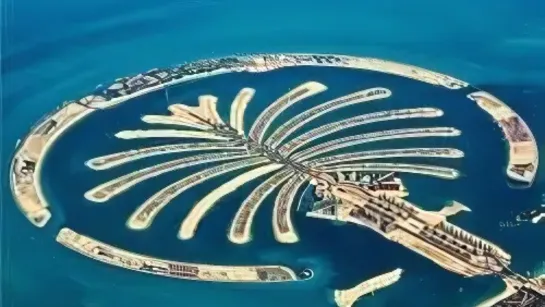
It was built from nothing. Engineers dredged 94 million cubic metres of sand from the floor of the Arabian Gulf and shaped it, over three years, into a palm tree with a trunk, seventeen fronds, and an eleven-kilometre crescent breakwater. No concrete. No steel. Just sand, rock, and the kind of ambition that most cities only exist in the dreams of. When it was announced in 2001, nobody believed it was real. When it was completed in the mid-2000s, nobody could argue it wasn't extraordinary. And in 2026, two decades after its launch, Palm Jumeirah is more valuable, more in-demand, and more globally recognised than at any point in its history.
This guide is for every serious buyer, investor, and operator approaching Palm Jumeirah in 2026. For first-time Palm buyers who want to understand the island before they commit. For seasoned investors who need a current data-grounded analysis of where the returns are and where the risks sit. For international buyers who want the complete picture. And critically — for buyers specifically targeting distress property on Palm Jumeirah, where genuinely below-market opportunities exist right now, and where DistressPropertyFinder.com is the specialist platform built to find them.
Every zone. Every price point. Every developer and branded residence. Every yield figure. Every honest risk. And throughout — a clear analysis of how the Palm's distress market works and why 2026 is one of the most interesting entry windows the island has produced.
What Is Palm Jumeirah? The Island Explained
The Engineering Marvel That Became a Real Estate Market
Palm Jumeirah is an artificial archipelago constructed on the Persian Gulf in Jumeirah, Dubai — the first and most celebrated of the Palm Islands development series conceived by Nakheel, the Dubai government-owned master developer. Construction began in 2001 and the first residents moved in during 2006–2007. By 2026, the island accommodates over 80,000 residents and draws millions of visitors annually across its hotels, beach clubs, restaurants, and leisure attractions.
The island covers approximately 5.72 square kilometres — a figure that understates its significance, because what Palm Jumeirah creates is not just area but 78 kilometres of new coastline that did not previously exist. In a city and a region where genuine beachfront real estate is finite, that coastline creation is the foundational investment thesis of the entire island: every property on every frond has private or semi-private beach access in a geography where beach access is structurally scarce.
The island's structure is simple from the air and complex on the ground:
- The Trunk: The central spine connecting the island to the mainland, home to apartment towers, hotels, retail, the Nakheel Mall, the Golden Mile Gallery, and the Palm Monorail
- The Fronds: Seventeen residential branches extending outward from the trunk, each lined with Garden Homes and Signature Villas fronting private beaches
- The Crescent: The outer breakwater arc surrounding the island, home to the ultra-luxury resort and branded residence cluster — Atlantis The Palm, Atlantis The Royal, Six Senses, Serenia, W Residences, FIVE Palm, and others
This three-tier structure creates three entirely different market segments within a single address — an address whose global prestige applies equally to a AED 2 million Shoreline apartment on the trunk and a AED 200 million custom-built villa on Frond J.
Key Statistics: Palm Jumeirah in 2026
| Metric | Data |
|---|---|
| Total Area | 5.72 square kilometres |
| Developer | Nakheel (Government of Dubai) |
| Coastline Created | 78 kilometres |
| Resident Population | ~80,000+ (as of 2026) |
| Residential Units | ~4,500+ villas + thousands of apartments across trunk and crescent |
| Hotels on Island | 30+ hotels across trunk and crescent |
| Fronds | 17 residential fronds |
| Shoreline Buildings | 20 mid-rise apartment towers |
| Golden Mile Buildings | 10 buildings |
| Transport | Palm Monorail (5.4 km, linking mainland to Atlantis) + road access |
| Distance to Dubai Marina | ~15 minutes by car |
| Distance to Downtown Dubai | ~30 minutes by car |
| Distance to DXB Airport | ~30 minutes by car |
| Distance to Sheikh Zayed Road | ~5 minutes (main trunk entrance) |
| Average Villa Price | AED 44.6 million (up 26% YoY) |
| Average Apartment Price | AED 6–7 million |
| 2025 Transactions | 1,631+ transactions valued at AED 8.44 billion |
The Community Character: What Living on Palm Jumeirah Actually Feels Like
Palm Jumeirah does not feel like the rest of Dubai — and that is the point. The rest of Dubai is a city in the conventional sense: streets with traffic, towers going up everywhere, construction noise, commuters. The Palm is an island. The moment you cross the trunk and drive out onto a frond, the city recedes. The air changes. The pace changes. You are surrounded by the sea on both sides, by private gardens and private beaches, by a community that has specifically self-selected for waterfront seclusion over urban energy.
The resident profile on the fronds is disproportionately high-net-worth family and executive — people who want a trophy home, genuine privacy, private beach access, and the kind of lifestyle that the broader Dubai urban environment simply cannot deliver. The trunk and crescent attract a more mixed profile — professionals, STR investors, tourists, hotel guests, and the entire spectrum of international luxury consumer.
The island's biggest practical complaint — acknowledged honestly in this guide — is traffic and connectivity. The trunk has one road in and one road out. Peak hour traffic at the Palm Jumeirah entry point can add 20–40 minutes to any commute. The Palm Monorail helps for frond-to-trunk movement but does not connect to the Dubai Metro. For residents who commute daily to DIFC, Business Bay, or Downtown, the Palm is genuinely inconvenient in ways that a marina or Downtown address is not.
But for the buyer who prioritises lifestyle over convenience, private beach over metro proximity, and trophy-asset status over yield optimisation — there is nothing in Dubai that competes with Palm Jumeirah, and nothing in the global luxury property market that offers a comparable private waterfront proposition at these price points.
The Developer — Nakheel and the Master Community Structure
Who Is Nakheel?
Nakheel is the master developer of Palm Jumeirah — a government-owned company established under the broader Dubai government development framework. Unlike Emaar and Meraas, which operate as distinct corporate entities, Nakheel operates as a direct instrument of Dubai's development vision, with the implicit backing of the Dubai government at a structural level rather than simply a shareholder level.
Nakheel's portfolio includes Palm Jumeirah, Palm Jebel Ali (now reactivated), The World Islands, Jumeirah Islands, The Gardens, and International City — making it one of the single most influential master developers in the Gulf region's property history.
What Nakheel's Sovereign Status Means for Palm Jumeirah Buyers
The 2008–2009 Dubai property crisis included a significant Nakheel debt restructuring event — a moment when the government of Dubai ultimately stepped in to manage the situation through Dubai World and the Dubai Financial Support Fund. For buyers of Palm Jumeirah property today, that history has two important implications:
The positive: When Nakheel faced existential pressure, the Government of Dubai did not allow the master community to fail. The Palm Jumeirah community infrastructure — roads, beach maintenance, common areas, the Monorail — continued to function. The island did not become a maintenance disaster. That intervention set a precedent that sovereign-backed infrastructure protection is real, not theoretical.
The honest context: Nakheel's 2009 experience is also a reminder that even the most government-backed developers in Dubai are not immune to financial stress. Buyers should understand the distinction between community infrastructure (Nakheel's sovereign responsibility) and individual sub-developer quality (which varies significantly across the island's many individual building developers).
Palm Jumeirah's individual buildings and developments were built by dozens of sub-developers operating within Nakheel's masterplan — from internationally recognised luxury developers (Palma Holding for Serenia, IFA for Oceana, Kerzner for Atlantis) to smaller operators whose quality control was less consistent. The community infrastructure is consistently maintained. Individual building quality is not uniformly consistent and requires building-specific due diligence.
Palm Jumeirah's Physical Layout — The Three Zones Explained
Zone 1: The Trunk — Apartments, Retail and the Community Core
The Trunk is the two-kilometre central spine connecting Palm Jumeirah to the Dubai mainland. It is the island's commercial and residential core — home to the majority of the apartment stock, the Nakheel Mall, the Golden Mile Gallery, the Palm Monorail stations, most of the island's supermarkets and services, and the direct road connection to Sheikh Zayed Road.
Key Trunk apartment clusters:
- Shoreline Apartments: 20 mid-rise towers (buildings 1–20) on the east side of the trunk; approximately 2,500 apartments; the island's most active secondary market; direct beach access for 10 beachfront-facing buildings
- Golden Mile: 10 buildings along the central trunk spine; ground-floor retail; excellent connectivity; popular with professionals and investors
- The Palm Tower: 52-floor supertall tower at the top of the trunk; residential, hotel (SLS Hotel), and the St. Regis-branded residences; the island's most visible landmark address on the trunk
- Palm Views East and West: Two mid-rise buildings offering sea views and the trunk's best value-to-view ratio
- Tiara Residences: 8 towers at the base of the trunk; older stock; affordable Palm Jumeirah entry point
- West Beach and East Beach: Further apartment clusters along the trunk periphery
The Trunk as an investment zone: The trunk offers Palm Jumeirah's most accessible price points, the strongest rental yields on the island, and the best public transport connectivity (Monorail, direct road to SZR). For investors who want the Palm Jumeirah address and the island's lifestyle infrastructure at a price point below AED 4 million, the trunk is the primary target zone. The trade-off is distance from frond exclusivity and the fact that beach access, while present for some buildings, is shared rather than private.
Zone 2: The Fronds — Villas, Garden Homes, and the Island's Pinnacle Product
The Fronds are the seventeen residential branches that give the island its palm tree shape. Each frond is a private residential street — gated, security-controlled, and accessible only to residents and their guests — lined on both sides with Garden Homes (the smaller, inner-beach-facing villas) and Signature Villas (the larger, outer-beach-facing villas on wider plots).
Each frond villa has its own private beach strip — typically 15–30 metres of beachfront, depending on the plot position and frond location. This private beach is the defining luxury of frond living and the feature that sustains frond villa prices at a structural premium to everything else on the island.
The frond hierarchy is real and significantly impacts pricing:
- Prime fronds (J, N, G, F): West-facing fronds with sunset views over the Arabian Gulf; historically the most desirable; consistently the highest-priced
- East-facing fronds (A, B, C, D): Sunrise views over Dubai's skyline; desirable but slightly below the prime west-facing premium
- Inner fronds (H, I, L, M): Shorter and with smaller plots; less distance between facing villas; the most affordable frond positions
- Frond P and Frond O: Outer fronds near the tip of the island; long and wide; excellent privacy; premium position
The frond location premium is not marketing language — it is documented in DLD transaction data. A renovated villa on Frond J can achieve AED 10–20 million more than an equivalent villa on a less desirable frond.
Villa types on the fronds:
- Garden Homes: 3–5 bedroom villas; inner beach (narrower beach strip; facing another villa on opposite side of frond); approximately 4,500–6,700 sqft
- Signature Villas: 4–6 bedroom villas; outer beach (wider beach strip; sea views to the open Gulf); approximately 6,700–10,000 sqft
- Custom-built villas and mansions: Various fronds; entirely bespoke properties built on original plots where original structures have been demolished; starting from AED 60M+; some exceeding AED 200M on Billionaires Row (primarily Frond M, N, and select others)
Zone 3: The Crescent — Luxury Resorts and Ultra-Premium Branded Residences
The Crescent is the outer breakwater arc that encircles the fronds. It is the island's most exclusive and most internationally famous zone — home to the island's most recognisable hotels and its most expensive residential product.
Key Crescent developments:
- Atlantis The Palm: The iconic pink resort; 1,539 rooms; Aquaventure Waterpark; 40+ restaurants; the island's most visited attraction
- Atlantis The Royal Residences: The ultra-luxury residential component of the new Atlantis The Royal tower; the highest-appreciating product in Palm Jumeirah's recent history (119% gain from launch for some investors); current prices AED 9,000–10,000+/sqft
- One Palm by Omniyat: 90 exclusive residences; one of Dubai's finest residential addresses; current prices AED 7,000–12,000/sqft
- Serenia Residences (North, West, East): 250 units on the Crescent; crescent-position sea views; current average transaction price AED 10.7 million; 5.48% ROI
- Six Senses Residences The Palm: Ultra-premium wellness-branded residences; new product; AED 8,000+/sqft
- W Residences: Luxury branded residences with W Hotel services; premium sea and frond views
- FIVE Palm Jumeirah Residences: Hotel-adjacent branded residences; strong STR performance due to FIVE brand management
- Fairmont The Palm Residences: Hotel-adjacent residences with Fairmont management integration
- Armani Beach Residences (upcoming): New-launch Armani-branded residences on the Crescent; AED 10,000+/sqft launch pricing
The Crescent is the segment of Palm Jumeirah where ultra-high-net-worth capital concentrates — and where the most dramatic absolute price records have been set. The 2025 record: AED 161 million for a single villa resale — one of the highest price-per-sqft figures ever recorded on the island. Average villa price across the island: AED 44.6 million, up 26% year-on-year.
The Apartment Market — The Investment-Grade Entry to Palm Jumeirah
Shoreline Apartments — The Island's Most Liquid Investment Product
Shoreline Apartments is the most actively traded apartment cluster on Palm Jumeirah — a 20-building mid-rise development on the eastern side of the trunk, offering 1, 2, 3, and 4-bedroom apartments with a mix of sea-facing, community-facing, and garden-facing orientations. Ten of the twenty buildings have direct beach access — a meaningful differentiator for both rental income and resale pricing.
For investors, Shoreline is important because it provides proven market comparables — more DLD transactions per building than any other part of the island, reliable rental rate data, an established tenant pool, and the secondary market liquidity that newer or more boutique buildings cannot offer.
Shoreline Apartments pricing in 2026:
- Studio: AED 950,000–1,400,000
- 1BR: AED 1,600,000–2,800,000
- 2BR: AED 2,500,000–5,000,000
- 3BR: AED 4,000,000–7,500,000
- 4BR: AED 6,000,000–12,000,000+
Shoreline rental yields: Studios and 1BRs consistently deliver 5.5–7% gross; 2BRs yield 5–6.5%; larger units 4.5–6%.
Golden Mile — The Trunk's Convenience Premium
Golden Mile is a ten-building cluster running along the central trunk spine, offering direct ground-floor retail access, the island's best day-to-day convenience, and proximity to the Nakheel Mall. It is popular with professionals who live on the Palm but commute into the city and need to minimise commute time — trunk position means less in-island driving time.
Golden Mile pricing: Similar to Shoreline for equivalent unit types; slightly lower for units without sea views.
The Palm Tower / St. Regis Residences — The Prestige Trunk Address
The Palm Tower is the island's trunk landmark — a 52-floor supertall containing the St. Regis Dubai, the Palm Hotel (SLS), and The St. Regis Dubai Residences. The residential floors (branded St. Regis Residences) offer some of the island's highest altitude, most panoramic views — across the entire frond structure, the Arabian Gulf, and the Dubai skyline simultaneously.
The Palm Tower pricing: AED 4,000–8,000+/sqft; 2BR residences from AED 5 million; penthouses AED 15M+.
The Villa Market — Garden Homes, Signature Villas, and Ultra-Luxury Estates
Garden Homes — The Entry Point to Frond Villa Living
Garden Homes are the smaller villa product on the inner (narrower beach) side of each frond. Originally 3–5 bedrooms with private gardens and pool areas, these villas were among the first completed on the island and many have since been renovated — some extensively, transforming original-specification interiors into contemporary luxury homes that bear little resemblance to the 2006-era originals.
The renovation premium is one of Palm Jumeirah's most commercially significant dynamics. A non-renovated Garden Home on a standard frond might trade at AED 12–18 million. An extensively renovated version of the same floorplan on a prime frond can trade at AED 25–40 million. The renovation delta — often AED 5–15 million in construction cost — produces a value uplift that consistently exceeds the renovation investment, making the Palm villa renovation market one of Dubai's most profitable asset-improvement plays.
Garden Home pricing in 2026:
- Non-renovated, standard frond: AED 12,000,000–20,000,000
- Partially renovated, standard frond: AED 18,000,000–28,000,000
- Fully renovated, prime frond: AED 25,000,000–45,000,000
Signature Villas — Outer Beach, Wider Plots, Superior Views
Signature Villas occupy the outer side of each frond — wider beach strips, sea views to the open Gulf rather than toward another frond villa, and typically larger built-up areas than Garden Homes on equivalent plots. The Signature Villa product is the most sought-after standard villa on the island, and the price premium over Garden Homes (for equivalent renovation quality and frond position) is typically 30–60%.
Signature Villa pricing in 2026:
- Non-renovated, standard frond: AED 20,000,000–35,000,000
- Renovated, standard frond: AED 30,000,000–55,000,000
- Renovated, prime frond: AED 45,000,000–90,000,000+
The Ultra-Luxury / Custom-Build Tier
Palm Jumeirah has developed a sub-market of entirely custom-built mega-mansions — typically on original frond plots where the original villa has been demolished and replaced with a bespoke architectural statement. The most prominent concentration is on what the market calls Billionaires Row (primarily Frond M, Frond N, and select tips of other fronds), where custom-built properties regularly transact in the AED 100–200M+ range.
The most expensive villa resale in 2025 reached AED 161 million. Custom-built mansions on prime fronds like Frond J or Frond N can exceed AED 200 million. These are not investment products in the conventional yield sense — they are trophy assets whose buyers are global ultra-high-net-worth individuals for whom price-per-sqft analysis is largely irrelevant.
The Branded Residence Tier — Palm Jumeirah's Premium Investment Segment
Why Branded Residences Dominate Palm Jumeirah's Upper Market
Palm Jumeirah has become one of the world's highest concentrations of branded residential product — properties where an internationally recognised hotel or lifestyle brand manages the building, provides services, and typically operates a rental pool programme. In 2026, the Crescent and upper trunk host more branded residence developments per square kilometre than almost any other location on earth.
The investment case for branded residences on the Palm is specific:
- Premium rental income: Branded management typically achieves 15–25% higher short-term rental rates than equivalent non-branded stock
- Brand-supported STR yields: Atlantis, W, FIVE, Fairmont, and Six Senses operate dedicated rental management programmes — removing the operational burden from property owners while delivering above-average occupancy
- Higher resale liquidity: International buyers actively seek branded Palm Jumeirah stock; the brand acts as a quality signal that reduces due diligence friction and accelerates secondary market transactions
- Service premium: 24-hour concierge, housekeeping, pool and beach club access, restaurant and F&B access — services that sustain the lifestyle proposition and make the property more attractive to both long-stay and short-stay tenants
Atlantis The Royal Residences — The Best-Performing Palm Investment of the Decade
Atlantis The Royal Residences represent the single most commercially successful residential product in Palm Jumeirah's recent history. Early investors who purchased at launch pricing have realised average gains of 119% appreciation with an annualised appreciation rate of approximately 30% — outperforming every other Dubai residential product over the equivalent period. Current prices on Atlantis The Royal Residences have reached AED 9,000–10,000+/sqft, with some transactions reported at the upper end of this range.
The drivers: the Atlantis The Royal hotel itself is one of the most globally covered luxury hospitality launches in recent memory; the brand operates an ultra-high-occupancy short-term rental programme; and the combination of global prestige, Crescent position, and the Atlantis brand creates a residual demand dynamic that standard apartment markets cannot replicate.
Other Key Branded Residence Products
One Palm by Omniyat: 90 ultra-luxury residences; among Dubai's finest address; price AED 7,000–12,000/sqft; limited secondary market supply creates a scarcity premium; gross rental yield 4.5–6% (yield-insensitive buyer profile).
Serenia Residences: 250 units; Crescent position; average transaction price AED 10.7 million; 5.48% ROI; a more mature branded Crescent product with an established secondary market.
Six Senses Residences: Ultra-premium wellness brand; among the first Six Senses residential projects globally; AED 8,000+/sqft; appeals to global UHNWI wellness lifestyle buyers.
W Residences: W Hotels-branded; strong STR performance through W management; popular with global lifestyle investors.
FIVE Palm Jumeirah: The FIVE Hotels brand operates a highly successful rental pool programme; strong STR yields (often 6.5–8%+) thanks to FIVE's entertainment and F&B programming driving occupancy.
Palm Jumeirah Property Prices in 2026 — The Complete Data Guide
Apartment Prices by Type and Zone
| Property Type | Entry Price (AED) | Average Price (AED) | Top End (AED) |
|---|---|---|---|
| Studio (Trunk) | 900,000 | 1,300,000 | 2,000,000 |
| 1BR Apartment (Shoreline/Golden Mile) | 1,600,000 | 2,200,000 | 3,500,000 |
| 2BR Apartment (Shoreline/Golden Mile) | 2,500,000 | 4,500,000 | 7,700,000 |
| 3BR Apartment (Trunk) | 4,000,000 | 6,500,000 | 12,000,000 |
| 4BR Apartment (Trunk) | 6,500,000 | 9,500,000 | 18,000,000+ |
| Palm Tower / St. Regis (2BR) | 5,000,000 | 7,000,000 | 12,000,000+ |
| Serenia Residences (avg all types) | 3,000,000 | 10,764,000 | 35,000,000 |
| Atlantis The Royal Residences (2BR) | 7,200,000 | 15,000,000 | 35,000,000+ |
| One Palm (2BR+) | 9,000,000 | 18,000,000 | 55,000,000+ |
| Six Senses / W / FIVE Residences | 6,000,000 | 14,000,000 | 40,000,000+ |
Villa Prices by Type
| Villa Type | Entry Price (AED) | Average Price (AED) | Top End (AED) |
|---|---|---|---|
| Garden Home (non-renovated, inner frond) | 12,000,000 | 18,000,000 | 25,000,000 |
| Garden Home (renovated, standard frond) | 20,000,000 | 28,000,000 | 40,000,000 |
| Garden Home (renovated, prime frond) | 28,000,000 | 40,000,000 | 60,000,000+ |
| Signature Villa (non-renovated) | 20,000,000 | 30,000,000 | 40,000,000 |
| Signature Villa (renovated, standard) | 30,000,000 | 45,000,000 | 70,000,000 |
| Signature Villa (renovated, prime frond) | 45,000,000 | 65,000,000 | 120,000,000+ |
| Custom-built mansion (Billionaires Row) | 80,000,000 | 130,000,000 | 200,000,000+ |
Price Per Square Foot Reference
| Segment | Price/sqft Range (AED) |
|---|---|
| Shoreline / Golden Mile apartments | 2,200–4,200 |
| Marina Residences / Oceana | 2,500–4,500 |
| Palm Tower / St. Regis Residences | 4,000–8,000 |
| Serenia Residences | 4,000–8,000 |
| Atlantis The Royal Residences | 9,000–10,000+ |
| One Palm | 7,000–12,000 |
| Six Senses / W / FIVE Residences | 5,000–9,000+ |
| Garden Homes (non-renovated) | 2,200–3,200 |
| Garden Homes (renovated, prime frond) | 3,500–5,500 |
| Signature Villas (renovated, prime frond) | 4,000–7,000+ |
| Custom-built estates (Billionaires Row) | 8,000–15,000+ |
Palm Jumeirah vs Other Dubai Communities
The Honest Comparison
| Factor | Palm Jumeirah | Downtown Dubai | Dubai Marina | Dubai Hills | Emirates Hills |
|---|---|---|---|---|---|
| Global Prestige | ★★★★★ | ★★★★★ | ★★★★☆ | ★★★☆☆ | ★★★★☆ |
| Private Beach Access | ★★★★★ | ★☆☆☆☆ | ★★★☆☆ | ★☆☆☆☆ | ★☆☆☆☆ |
| Metro / Public Transport | ★★☆☆☆ | ★★★★★ | ★★★★★ | ★☆☆☆☆ | ★★☆☆☆ |
| Traffic / Commute | ★★☆☆☆ | ★★★★☆ | ★★★★☆ | ★★★★☆ | ★★★☆☆ |
| Rental Yield | ★★★☆☆ | ★★★★☆ | ★★★★☆ | ★★★☆☆ | ★★☆☆☆ |
| Capital Appreciation | ★★★★★ | ★★★★☆ | ★★★★☆ | ★★★★★ | ★★★★☆ |
| Family Liveability | ★★★★☆ | ★★★☆☆ | ★★★☆☆ | ★★★★★ | ★★★★★ |
| Supply Constraint | ★★★★★ | ★★★★☆ | ★★★★☆ | ★★★☆☆ | ★★★★☆ |
| STR Performance | ★★★★☆ | ★★★★★ | ★★★★★ | ★★★☆☆ | ★★☆☆☆ |
| Trophy / UHNWI Demand | ★★★★★ | ★★★★☆ | ★★★☆☆ | ★★★☆☆ | ★★★★☆ |
| Distress Deal Availability | Medium | Medium | High | High | Low |
Why Palm Jumeirah Is Categorically Different from Every Other Dubai Community
The comparison table above tells a partial story. The complete story is about what Palm Jumeirah has that no other community in Dubai can offer: private beachfront living in a genuinely island setting, with 78 kilometres of coastline that cannot be reproduced because the Arabian Gulf's geography has been permanently altered.
Downtown Dubai's supply constraint is real — but new towers can still be added within the Downtown envelope. Dubai Marina's supply is largely complete — but JBR adjacent plots can add product within the address's sphere of influence. Palm Jumeirah's fronds are a fixed number. The plots are fixed. The beach strips are fixed. No new fronds can be built. This absolute supply constraint — combined with the global prestige of the address — is the foundation of Palm Jumeirah's long-term investment case in a way that no other Dubai community can replicate.
Rental Yields and Investment Returns
What Palm Jumeirah Actually Returns
Palm Jumeirah is not a yield-maximisation market. It is a total return market — where the combination of rental income and capital appreciation produces investor returns that exceed what the yield figure alone suggests.
| Property Type | Gross Rental Yield | Net Yield (est.) | Notes |
|---|---|---|---|
| Studio (Trunk) | 6.0–7.5% | 5.0–6.5% | Best yield on island |
| 1BR Apartment | 5.5–7.0% | 4.5–6.0% | Shoreline beachfront-facing higher end |
| 2BR Apartment | 5.0–6.5% | 4.0–5.5% | Golden Mile consistent; Shoreline variable by view |
| 3BR Apartment | 4.5–6.0% | 3.5–5.0% | — |
| Branded Residences (Crescent) | 4.5–7.0% | 3.5–6.0% | FIVE / Atlantis at upper end via STR pool |
| Garden Home (standard frond) | 4.0–5.5% | 3.0–4.5% | Long-term yield; 5BR villa avg rent ~AED 1.8M/yr |
| Signature Villa (prime frond) | 3.5–5.0% | 2.5–4.0% | Appreciation profile compensates |
| Atlantis Royal / One Palm | 4.0–6.0% | 3.0–5.0% | STR pool participation at upper end |
Service Charges on Palm Jumeirah
Service charges on Palm Jumeirah are generally lower per sqft than comparable premium communities in Dubai — reflecting the island's lower density and Nakheel's government-managed community costs:
- Frond villas (Garden Homes/Signature Villas): AED 3–6 per sqft of plot area annually (~AED 20,000–40,000/year for a standard plot)
- Trunk apartments (Shoreline, Golden Mile, etc.): AED 12–18 per sqft per year
- Premium/Crescent branded residences: AED 22–40+ per sqft per year (hotel service component significant)
Service charges on the branded Crescent residences are materially higher because they include hotel-level facility maintenance, pool and beach club operational costs, and concierge and security service components. For investors in these buildings, the higher service charge is partially offset by the rental premium the brand generates.
The Total Return Case
Illustrative Example — Shoreline 2BR, Beachfront Building
Purchase price (2019): AED 2,200,000 Current market value (2026): AED 4,500,000 (+105% appreciation) Annual rental income (at 6% gross): AED 270,000/year Total rental income over 7 years: ~AED 1,500,000 Capital gain: AED 2,300,000 Combined total return: ~172% over 7 years on initial investment
Illustrative Example — Garden Home Villa, Standard Frond
Purchase price (2020): AED 15,000,000 Renovation investment: AED 5,000,000 Current market value (2026): AED 32,000,000 (+60% on total invested) Annual rental income (at 4.5% on current value): AED 1,440,000/year A genuine blue-chip, income-generating, capital-appreciating asset
Note: Illustrative based on observed DLD transaction data. Not guaranteed returns. Individual property performance varies by location, specification, management, and market conditions.
Short-Term Rental (Airbnb) Performance
Why Palm Jumeirah Is Among Dubai's Top STR Markets
Palm Jumeirah's short-term rental performance is driven by a specific tourist demographic: the global luxury traveller who wants private beach access, an iconic address, and the full Palm Jumeirah lifestyle experience — and who will pay a premium that the standard long-term tenant market cannot match.
The island's branded residence sector particularly benefits: FIVE Palm Jumeirah, Atlantis The Royal, W Residences, and Fairmont Palm all operate active rental pool programmes that deliver occupancy rates and daily rates significantly above self-managed STR operations.
STR Rate and Yield Data
| Property Type | Peak Daily Rate (AED) | Annual Occupancy | Gross STR Yield (est.) |
|---|---|---|---|
| 1BR Apartment (Shoreline, sea view) | 600–1,200 | 65–75% | 6–9% |
| 2BR Apartment (beachfront Shoreline) | 900–2,000 | 62–72% | 5.5–8% |
| FIVE / W / Fairmont branded 1BR | 800–2,000 | 70–80% | 6.5–9% |
| Atlantis Royal 2BR | 2,000–5,000 | 65–75% | 5–7% |
| Frond Garden Home (managed STR) | 2,500–6,000/night | 50–65% | 4.5–6.5% |
| Frond Signature Villa (managed STR) | 4,000–12,000/night | 45–60% | 3.5–5.5% |
Peak season = October–May, driven by Dubai winter tourism, NYE, the Dubai Shopping Festival, and the Formula 1 Grand Prix. Peak event dates (NYE especially) produce extraordinary nightly rates on premium Palm property.
Weekly villa rental rates range from AED 35,000–150,000+, with the highest rates on fully upgraded Signature Villas on prime sunset-facing fronds during peak season.
The Lifestyle Infrastructure
Atlantis The Palm — The Island's Anchor
Atlantis The Palm is the most visited single landmark on Palm Jumeirah and one of the most visited hotel complexes in the Middle East. Its 1,539 rooms, Aquaventure Waterpark, Dolphin Bay, 40+ restaurants (including Nobu and Bread Street Kitchen), and the ShuiQi Spa create a lifestyle ecosystem at the tip of the island that sustains resident and visitor demand year-round.
Atlantis The Royal — the second Atlantis tower completed in 2023 — added a further layer of ultra-luxury to the Crescent, with residences, a celebrity chef dining programme (including Nobu, Dinner by Heston Blumenthal, and others), and the highest-specification hotel product on the island.
The Pointe — Waterfront Dining and Retail
The Pointe at Palm Jumeirah is a waterfront dining and entertainment destination at the tip of the trunk, facing back toward the Palm's fronds and offering panoramic views across the island. With 80+ restaurants and a circular waterfront promenade, The Pointe is the island's most active dining and social destination for residents — the equivalent, in function, of the Marina Walk for Dubai Marina residents.
Nakheel Mall — The Island's Community Retail Hub
Nakheel Mall sits at the top of the trunk and connects directly to The Palm Tower. With 300+ outlets — including a Carrefour hypermarket, a VOX Cinemas, family entertainment, health and fitness, and extensive F&B — Nakheel Mall provides the day-to-day retail and service access that the island's resident population requires. For investors calculating the appeal of trunk apartment positions, Nakheel Mall proximity is a genuine amenity driver.
Beach Clubs — The Palm's Premium Lifestyle Layer
Palm Jumeirah hosts some of Dubai's most exclusive beach clubs — private facilities that sustain the island's reputation as Dubai's most aspirational lifestyle destination. Notable examples include:
- Atlantis The Royal Beach Club — for Atlantis guests and residence owners
- FIVE Palm Jumeirah Beach Club — open to non-residents; one of Dubai's most popular social destinations
- WHITE Beach — a premium beach club experience within the Atlantis complex
- Club Vista Mare — a waterfront dining and beach club complex
- The Club at Intercontinental — a quieter luxury beach club option
For STR investors, the beach club ecosystem matters commercially: guests who choose a Palm Jumeirah Airbnb specifically for the lifestyle experience will be drawn to properties offering beach club access or proximity to the island's beach social scene.
Schools Near Palm Jumeirah
While there are no international schools on the island itself, the following schools are within 10–20 minutes by car and are frequently cited by Palm Jumeirah family residents:
- GEMS Wellington International School
- Dubai College
- GEMS Dubai American Academy
- Regent International School
- The International School of Choueifat
- American School of Dubai
Who Buys on Palm Jumeirah? The Buyer Profile in 2026
Profile 1: The UHNWI Trophy Villa Buyer
The dominant buyer at the upper end of the Palm — on prime fronds, in custom-built estates, and in One Palm or Atlantis The Royal — is the ultra-high-net-worth individual for whom the Palm represents a global trophy asset. This buyer is increasingly from the global wealth migration stream that has been flowing into Dubai: European business owners, technology founders, Middle Eastern investors, South Asian business families, and Chinese and East Asian capital.
- Typical purchase: AED 30M–200M+
- Profile: yield-insensitive; primarily motivated by lifestyle quality, privacy, global prestige, and capital preservation
- Golden Visa: Standard by-product of any qualifying Palm purchase
Profile 2: The International Apartment Investor
The Shoreline and Golden Mile apartment market is dominated by international investors — non-UAE residents who have purchased as an investment play, attracted by the Palm's brand, the freehold structure, the Golden Visa eligibility, and the combination of rental yield and appreciation. This buyer typically manages the property remotely through a Dubai property management company.
- Typical purchase: AED 1.6M–6M (1BR–3BR trunk apartment)
- Primary metrics: Gross yield, capital appreciation, DLD transaction comparables, Golden Visa eligibility
- Most common nationality profile: British, Indian, Russian, European (various), Chinese, South Asian
Profile 3: The STR Investor
A growing proportion of Palm Jumeirah apartment and branded residence buyers are purchasing specifically for short-term rental income — either self-managing through Airbnb or placing with a professional STR management company. The Palm's tourism draw and branded residence rental pool programmes make it one of Dubai's strongest STR markets at the premium-apartment tier.
- Typical purchase: AED 1.6M–8M (branded residences preferred for managed STR)
- Primary metric: Gross STR yield; days to occupancy breakeven; operator track record
Profile 4: The Long-Term Resident / End-User Family
Palm Jumeirah's frond communities attract a specific type of long-term resident family: typically high-income executives, business owners, and entrepreneurs who have decided to make Dubai a permanent or semi-permanent base and who specifically want the private-beach, private-garden, island-community lifestyle that no other Dubai address can deliver.
- Typical purchase: AED 15M–60M frond villa (Garden Home or Signature Villa)
- Primary metric: Lifestyle quality, school proximity, privacy, beach access, community security
Profile 5: The Distress Opportunity Buyer
The buyer for whom this guide's most commercially useful sections are written. The investor who understands the Palm's structural investment case, recognises the current motivated seller environment, and is positioned — through DistressPropertyFinder.com — to act quickly on a genuine below-market opportunity.
Distress Properties on Palm Jumeirah — The Opportunity Explained
The Current Distress Window on Palm Jumeirah (2026)
Early 2026 has created a specific and documented distress window on Palm Jumeirah. Geopolitical uncertainty in March 2026 has created a rare cluster of distress deals on Palm Jumeirah — Dubai's most prestigious address — at prices 20–35% below current market rates. These are completed, freehold, ready-to-transfer properties — not speculative off-plan plays.
This is not unusual in the context of Palm Jumeirah's history. Every major geopolitical event since 2006 has been followed by price acceleration in Dubai's prime markets, not correction. The pattern is consistent and documentable: regional uncertainty creates motivated sellers; those motivated sellers offer discounts to buyers who can act quickly; when sentiment stabilises, the discount disappears and prices accelerate. Genuine distress deals in Dubai in 2026 are currently ranging from 20–30% in Palm Jumeirah.
What Creates Palm Jumeirah Distress Sellers
Non-resident investors facing regional uncertainty: A significant proportion of Palm Jumeirah's international owner base holds properties in the context of a broader Middle Eastern portfolio. When regional sentiment deteriorates, some non-resident owners — particularly those with concentrated Gulf exposure — decide to liquidate their most liquid Gulf asset at a discount in exchange for capital repatriation.
Over-leveraged renovation projects: The Palm villa renovation market attracts speculators who purchase villas, invest in renovation, and plan to flip at a profit. When renovation budgets overrun, carrying costs accumulate, or the resale market moves against the investor, these sellers become highly motivated — sometimes needing to sell well below the total invested amount.
Inheritance and estate disposals: Palm Jumeirah's UHNWI resident base produces estate situations where heirs — often living internationally — need to liquidate UAE assets quickly and cleanly. Speed and simplicity matter more than maximising sale price in these situations.
Corporate relocations and life changes: Senior executives and business owners who purchased Palm frond villas during Dubai's 2020–2022 inflow period are now, five years on, beginning to cycle back out — new assignments, new opportunities, or personal changes that require a fast UAE asset liquidation.
The Atlantis Royal Early-Buyer Exit: Some early investors in Atlantis The Royal Residences who purchased at launch pricing and have realised extraordinary gains (119% in some cases) are now looking to realise those gains — and a motivated seller at Atlantis Royal who has already made 100%+ on their investment will accept a 15–20% discount to market and still exit with a transformational profit.
The Mathematics of Palm Jumeirah Distress in 2026
Example 1: Shoreline 2BR Apartment Open market comparable: AED 4,500,000 Motivated seller (needing completion in 21 days): AED 3,600,000–3,900,000 Buyer discount: 13–20% below market Gross yield at purchase price: 7–8% (vs. 6% at market price) Day-one capital buffer: AED 600,000–900,000
Example 2: Garden Home Villa, Standard Frond, Partial Renovation Open market comparable: AED 22,000,000 Motivated seller (estate situation, international heirs): AED 17,500,000–19,000,000 Buyer discount: 14–20% below market Day-one equity: AED 3,000,000–4,500,000
Example 3: Branded Residence 2BR Open market comparable: AED 9,000,000 Motivated seller (non-resident portfolio liquidation): AED 7,200,000–7,800,000 Buyer discount: 13–20% below market
The distress discount on Palm Jumeirah is real. It is documented in DLD transaction data, where motivated-seller and arm's-length transactions in the same buildings within the same 90-day window regularly show spreads of 15–30%. The question is not whether the opportunity exists. The question is whether you have the sourcing infrastructure to find it.
Why Palm Jumeirah Distress Is Harder to Find — and More Rewarding to Access
Palm Jumeirah distress deals are rarer than Marina or JVC distress deals. The island's wealthier owner profile means that most sellers can withstand a slower sales process — they do not need to discount. The pool of genuinely motivated sellers is smaller per unit of supply than in higher-turnover communities.
This rarity is precisely what makes the access to Palm distress deals so commercially valuable. When a genuine motivated seller does appear on the Palm — priced 15–25% below comparables — the market moves within hours. The buyer who is not in the room (registered, funded, and ready to act) does not get the deal.
DistressPropertyFinder.com is in the room.
DistressPropertyFinder.com — Your Platform for Palm Jumeirah Distress Deals
Who We Are
DistressPropertyFinder.com is Dubai's specialist platform for below-market property acquisitions. We focus exclusively on distress and motivated-seller listings across Dubai's premium communities. Palm Jumeirah is one of our priority markets — the community where the individual deal values are highest, the motivated seller profiles are most distinctive, and the importance of off-market access is most acute.
We are not a general portal. We do not relabel market-rate properties as deals. Every Palm Jumeirah listing on our platform has been assessed against DLD comparable transaction data, verified for title and mortgage status, and confirmed with a motivated seller before it reaches our registered buyers.
How We Source Palm Jumeirah Distress Listings
- International non-resident owner outreach: We maintain direct contact with Palm Jumeirah property owners based in the UK, India, Europe, Russia, and Asia Pacific who may need to liquidate UAE assets for personal, financial, or geopolitical reasons
- Estate and legal referral network: We receive referrals from UAE estate lawyers, probate administrators, and family law practitioners for whom a fast, clean Palm Jumeirah disposal is a client service requirement
- Financial adviser and wealth manager referrals: Dubai-based and international wealth advisers whose UHNWI clients need to reduce UAE exposure refer Palm Jumeirah disposals to us
- Renovation investor support desk: We work with villa renovation investors who need to exit before their carrying costs exceed comfortable levels, connecting them with buyers who can absorb the asset at a price reflecting genuine market value minus a speed premium
- Developer and broker network: Our relationships with Palm-specialist brokers and Nakheel-registered agents give us early visibility into upcoming motivated disposals before they hit any portal at distress pricing
What Registered Buyers Receive
- Priority distress alerts: New Palm Jumeirah distress listings sent to registered buyers before any public marketing — typically 12–48 hours of exclusive access
- DLD-verified pricing: Every listing includes comparable DLD transaction data to verify the discount independently
- Full due diligence support: Title deed verification, mortgage encumbrance check, service charge arrears status, frond-specific ownership history, and seller motivation confirmation
- Transaction speed infrastructure: Legal and conveyancing partners who can complete a Palm Jumeirah cash transaction in 7–14 days
- Property management and STR activation: Post-purchase property management and STR management company referrals for immediate income generation
On Palm Jumeirah, where genuine distress deals at 15–25% below market are available for days rather than weeks, early registration is not optional — it is the only way to be in the room when the right deal appears.
Palm Jumeirah for International Buyers — Non-Resident Purchase Guide
Freehold Ownership — Full Rights for Any Nationality
Palm Jumeirah is a designated freehold zone. Any nationality can purchase with full freehold title, registered with the Dubai Land Department. No UAE residency is required to purchase, no local sponsor is needed, and there are no nationality-based restrictions on ownership. Foreign buyers can own 100% of any Palm Jumeirah property without any local partnership requirement.
The Purchase Process — Step by Step
- Identify the property — through DistressPropertyFinder.com (for below-market access) or the open market
- Sign a Memorandum of Understanding (MOU) — locks agreed price and terms; 10% deposit held in escrow by the registering agency
- Obtain a No Objection Certificate (NOC) — from Nakheel or the sub-building's developer/management company; typically 7–15 working days for Palm Jumeirah villa transactions; 5–10 working days for apartment buildings
- Complete at DLD — both parties or Power of Attorney representatives attend a DLD Transfer Centre; title deed issued the same day
- Receive freehold title — registered with DLD; immediately tradeable, rentable, or STR-licensable
The UAE Golden Visa — The Standard Benefit of Any Qualifying Palm Purchase
Any Palm Jumeirah property purchase with a DLD-registered market value of AED 2,000,000 or above qualifies the buyer for the UAE Golden Visa — a 10-year renewable residency visa. Given that most Palm Jumeirah properties substantially exceed this threshold, the Golden Visa is essentially a standard by-product of any Palm acquisition:
- 10-year renewable UAE residency for the buyer
- Emirates ID and UAE bank account eligibility
- Ability to sponsor spouse, children, and domestic workers
- Multiple-entry visa flexibility for non-resident holders
- Access to UAE education and healthcare systems during UAE stays
For the significant number of international buyers who are acquiring Palm Jumeirah property in part as a residency vehicle — a "gateway" to UAE residency that allows them to spend more time in Dubai, access UAE banking, or provide a stable base for family members — the Golden Visa calculus is often more important than the rental yield calculus.
Transaction Costs Summary
| Cost | Amount |
|---|---|
| DLD Transfer Fee | 4% of purchase price |
| DLD Administrative Fee | AED 580–4,200 (value-dependent) |
| Agent Commission (if applicable) | 2% + 5% VAT |
| Mortgage Registration Fee | 0.25% of loan amount + AED 290 |
| NOC Fee | AED 500–5,000 (building-dependent; Nakheel villa NOC typically higher) |
| Total Typical Cash Transaction Cost | ~5–6% of purchase price |
On a AED 4.5 million apartment, total cash transaction costs are approximately AED 225,000–270,000. On a AED 30 million villa, approximately AED 1.5–1.8 million.
Financing for International Buyers
- UAE mortgage (non-resident): 50–60% LTV available from Emirates NBD, HSBC UAE, Mashreq, FAB, ADCB; processing time 4–8 weeks
- Cash purchase: The default for most mid-to-upper Palm buyers. Required for distress transactions where speed (7–14 days) is the seller's primary motivation
- Currency: AED pegged to USD at 3.67. No Dirham-specific currency risk for USD-based investors
Capital Appreciation — What Palm Jumeirah Has Returned
The Long-Term Record
Palm Jumeirah has delivered capital appreciation over every meaningful long-term horizon since 2010 — including through the 2015–2019 correction period and the 2020 pandemic dip. The island's supply constraint and global prestige create a structural appreciation floor that other Dubai communities cannot match.
| Time Horizon | Shoreline Apartments | Frond Villas | Crescent Branded |
|---|---|---|---|
| 2010 to 2026 (16yr) | +80–130% | +100–200% | N/A (many didn't exist) |
| 2015 to 2026 (11yr) | +50–90% | +70–150% | +50–100%+ |
| 2020 to 2026 (6yr) | +90–120% | +100–180% | +80–119%+ (ATR) |
| 2022 to 2026 (4yr) | +30–55% | +35–70% | +30–60% |
| 2024 to 2026 (2yr) | +15–28% | +18–35% | +10–25% |
Note: Based on observed DLD transaction data. Individual performance varies significantly by building, position, renovation quality, and frond. Historical returns are not predictive of future performance.
Palm Jumeirah is set for steady 5–8% price appreciation through 2026, with rental growth at 5–7% amid constrained supply and robust demand. The luxury segment is expected to outperform, buoyed by tourism recovery and resident influxes.
Average Palm Jumeirah villa price stands at AED 44.6 million — up 26% year-on-year. January 2026 alone saw transaction values surge 86.5% year-on-year.
Why Palm Jumeirah's Appreciation Drivers Remain Active
Absolute supply constraint: No new fronds can be added. The island's residential plot count is permanently fixed. Global demand for Palm Jumeirah addresses grows with Dubai's HNW population growth; supply does not.
The renovation cycle continues: Thousands of original 2005–2008 Garden Homes remain unrenovated or partially renovated. Each renovation that transforms an original-spec villa into a contemporary luxury home creates a new price reference point that elevates the entire frond's value — a systematic community-wide appreciation mechanism that will continue for another decade.
Dubai's HNW population growing: The number of HNWIs in the UAE is expected to rise to over 228,000 by 2026, marking a 39% increase. This wealth concentration in Dubai flows disproportionately into Palm Jumeirah's upper market.
Branded residences still delivering: New Crescent developments (Armani Beach Residences, Como Residences, Orla by Omniyat) continue to launch at higher per-sqft levels, establishing new price ceilings that pull up existing stock values across the island.
Palm Jebel Ali as a complement, not a competitor: The reactivation of Palm Jebel Ali is expected to act as a secondary market, cementing Palm Jumeirah's status as Dubai's established luxury heritage island — reinforcing, not cannibalising, the original Palm's premium.
The Honest Risks — What Every Palm Jumeirah Buyer Must Know
Risk 1: Traffic and Connectivity
Palm Jumeirah's single entry/exit point creates genuine traffic congestion during peak hours. Residents who commute daily to DIFC, Business Bay, or Downtown Dubai consistently cite the trunk traffic as the island's most significant quality-of-life negative. The Palm Monorail helps for internal movement but does not connect to the Dubai Metro, meaning car dependency for most off-island commutes.
What to do: Model your actual commute during peak hours before committing. For buyers who will use the property primarily as a weekend lifestyle asset, a long-term rental investment, or an STR play — the traffic issue is significantly less relevant.
Risk 2: Building Age and Quality Variation
Many Palm Jumeirah trunk apartment buildings are now 15–18 years old. Some — particularly smaller sub-developers' projects — have accumulated maintenance backlogs and show visible age. The island's older stock requires careful building-level due diligence.
What to do: Always obtain the last 3 years of RERA service charge history. Check for outstanding maintenance orders, lift replacement status, and façade condition. In older trunk buildings, factor a 5–10% renovation budget into your purchase calculation.
Risk 3: Service Charge Variation and Escalation
Service charges vary enormously across the island — from AED 3–6/sqft/year for frond villa plots to AED 22–40+/sqft/year for Crescent branded residences. In branded buildings, the hotel service component of the service charge can represent the majority of the total — and these charges have increased as branded hotel operators have refined their cost recovery models.
What to do: For any branded residence purchase, model the full service charge at current rates and at a 10–15% annual increase. The net yield impact is significant.
Risk 4: Frond Position Premium — Getting It Wrong Is Expensive
The frond premium structure means that two superficially similar villas on different fronds can have a 30–50% price gap that is not immediately obvious to buyers unfamiliar with the island's micro-geography. Buying on an inner frond at a prime-frond price, or missing the renovation quality differential, can lock a buyer into an asset that underperforms the broader market.
What to do: Work with a Palm Jumeirah specialist who can independently assess frond position, beach width, view direction, neighbouring property quality, and renovation specification before committing.
Risk 5: Geopolitical and Macro Risk
Dubai's property market is not immune to regional geopolitical events or global macro shocks. The 2026 distress window described in this guide exists precisely because regional uncertainty is creating motivated sellers — and if that uncertainty deepens further, more motivated sellers will appear. For buyers using leverage (mortgage), a 20–30% price correction during a prolonged adverse period requires financial resilience to hold through.
What to do: Buy at a discount (which the distress channel provides). Buy with a 5–7 year minimum horizon. Ensure debt service is comfortable at a price 30% below current purchase price. And recall that every prior period of Dubai market uncertainty has been followed by recovery and appreciation for those who held.
Risk 6: Liquidity for Ultra-Premium Stock
At the very top of the market — Billionaires Row custom mansions, One Palm penthouses, Atlantis Royal ultra-premium units — the buyer pool is thin. A AED 150 million custom villa requires a buyer with AED 150 million in liquid capital and the specific desire for that exact property. Liquidity at this level is genuinely restricted, and time-to-sale can be measured in years rather than weeks.
What to do: For investors whose exit strategy requires a defined timeline, avoid the AED 100M+ ultra-premium tier unless your horizon is genuinely open-ended. The AED 2M–15M trunk apartment and standard frond villa market has substantially better liquidity and more predictable exit timelines.
Risk 7: Distress Deal Quality Without Due Diligence
Distress deals sourced through informal channels — WhatsApp groups, unverified broker networks, social media listings — can carry title, mortgage, or maintenance issues that undermine the discount. DistressPropertyFinder.com conducts full due diligence before publishing any listing, but buyers who source distress opportunities through other channels must commission independent legal and title verification before any commitment.
Frequently Asked Questions
Is Palm Jumeirah freehold?
Yes. Palm Jumeirah is a designated Dubai freehold zone. Any nationality can purchase with full freehold ownership rights registered with the Dubai Land Department. No residency requirement and no nationality restrictions apply.
Who developed Palm Jumeirah?
Palm Jumeirah was master-developed by Nakheel — a government-owned Dubai developer established under the broader Dubai government development framework. Individual buildings within the community were developed by a range of sub-developers working within Nakheel's masterplan.
Can I get a UAE Golden Visa through a Palm Jumeirah purchase?
Yes — for any purchase with a DLD market value of AED 2,000,000 or above. Almost all Palm Jumeirah purchases, from Shoreline 1BR apartments upward, exceed this threshold. The Golden Visa provides 10-year renewable UAE residency for the buyer and their immediate family.
What is the average property price on Palm Jumeirah?
The average across all property types is approximately AED 25 million, reflecting the significant weight of villa and UHNWI product. Average apartment prices range AED 6–7 million. Average villa prices are AED 44.6 million. Entry-level Shoreline apartments start from around AED 1.6 million for a 1BR.
What are typical rental yields on Palm Jumeirah?
Long-term rental: 3.5–7.5% gross depending on property type (studios and 1BRs on the trunk deliver the highest yields; frond villas the lowest). Short-term rental: 4.5–9% on well-managed branded and apartment stock. Total ROI combining yield and appreciation was estimated at 7–10% per year in 2025 for well-positioned assets.
How bad is the traffic on Palm Jumeirah?
Peak hour traffic at the main trunk entry/exit can add 20–40 minutes to a commute in either direction. The Palm Monorail provides a car-free alternative for trunk-to-Atlantis movement. Non-peak hour traffic is manageable. For buyers primarily using the property as a lifestyle weekend residence or an STR investment, the traffic impact is much less significant than for daily commuters.
Can I Airbnb my Palm Jumeirah property?
Yes, with a DTCM Holiday Home licence. Palm Jumeirah properties with sea views, private beach access, or branded service affiliation are among Dubai's strongest Airbnb performers. Always verify building management NOC requirements before purchasing specifically for STR.
What is the difference between a Garden Home and a Signature Villa?
Garden Homes face the inner beach of each frond — narrower beach strips, looking toward the villa on the opposite side of the frond. Signature Villas face the outer beach — wider beach strips, sea views to the open Arabian Gulf. Signature Villas are consistently priced 30–60% above Garden Homes for equivalent renovation quality and frond position.
How do I find distress properties on Palm Jumeirah not listed publicly at distress pricing?
Register at DistressPropertyFinder.com. We source Palm Jumeirah distress listings through direct owner outreach, legal and estate referral networks, and specialist relationships — and we alert registered buyers before any public listing. Given the narrow window for distress deals on the Palm, early registration is essential.
Is 2026 a good time to buy on Palm Jumeirah?
The data suggests yes — particularly through the distress channel. The island's supply is fixed and permanently constrained. Global demand continues to grow with Dubai's HNW population influx. The current period of regional uncertainty is creating a short-term motivated seller window that historical precedent suggests will close as sentiment stabilises. Buyers who can access the distress channel and act with pre-arranged funds are entering at a discount that typically proves to have been the right moment in hindsight.
Should You Buy Palm Jumeirah in 2026?
The Case For
Palm Jumeirah is the only asset in Dubai's real estate market where the supply constraint is physically permanent and globally understood. There will never be more fronds. There will never be more Crescent positions. There will never be another island with this name, this shape, and this level of global recognition in this location.
That structural scarcity, combined with Dubai's ongoing population and wealth inflows, the continuing renovation cycle that upgrades existing villa stock, the branded residence pipeline that continuously establishes new price ceilings, and the island's proven resilience through every prior cycle — including 2008, 2015, and 2020 — makes Palm Jumeirah the single strongest long-term capital preservation play in Dubai's luxury residential market.
For investors, the 4–7.5% long-term rental yields, the 5–9% STR potential on well-positioned and managed assets, and the 5–8% annual appreciation projected through 2026 combine into a total return profile that few global luxury residential addresses can match at these absolute price points.
For buyers entering at distress pricing through DistressPropertyFinder.com, the case is materially better still — a day-one discount of 15–25% that compresses the breakeven period, enhances effective yield, and provides the margin of safety that smart investors always seek.
The Case Against
Palm Jumeirah is not the right choice if metro connectivity and walkability are important to you — the island is car-dependent and the commute challenges are real. It is not the right choice if maximum gross yield is your primary metric — JVC and similar communities will deliver 7–9% LTR yields that the Palm cannot match. It is not the right choice if budget requires sub-AED 1.5M entry — the island's true value proposition starts at Shoreline 1BR level and grows from there. And at the ultra-premium end, it is not the right choice if you need predictable short-term liquidity — the AED 100M+ market operates on a different timeline.
FAQ's
Most frequent questions and answers